
Case Studies
Many client companies prefer to keep details of cultural difficulties to themselves. In deference to this, case studies have been anonymised for public record. Please enquire for confidential references.

From Blame to Game
A CNC automotive manufacturer was losing money and could only put this down to shop-floor inefficiency. Orders were coming in, but were difficult to fulfil. People didn't seem interested in meeting customer deadlines and the overtime option wasn't getting much uptake. Absenteeism was high and 3 people had left the company that year.
We found from Assessment that low morale had gained a stronghold, with responsibility curtailed by fear of blame. Incidents in the past had fuelled a perception that if you 'went the extra mile', someone would "accuse you of mistakes instead of recognising commitment." Quiet quitting had set in, and people were refusing simple tasks in deference to a go-slow cultural mentality.
We delivered the Foundation programme which built collaborative platforms across departments, so that teams felt connected to other roles and responsibilities. This led to new communication portals being created, improved transparency and celebration of team achievements company-wide.
A Leadership Programme followed to strengthen trust and instil empathic values so that personnel would gain confidence in investing time and dedication to the company's welfare. 'Lead times met' leapt from 52% to 78% in 3 months which enabled the company to introduce a target-driven bonus scheme. The following 24-month record showed a fulfilment increase of 122% across the measured spectrum while Reviews showed a substantial rise in morale, presence and retention.
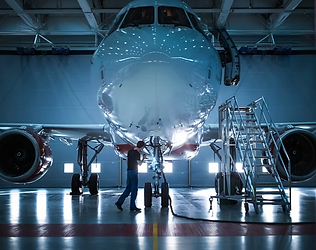
Up In The Air
An aerospace company under new management was finding it hard to raise the game when unexpected influxes of work occurred. The company relied on just-in-time contracts, but people were keeping themselves to themselves and showing no inclination to collaborate or support each other to fulfil orders. We found that a previous management style had ingrained itself in the cultural mindset - employees had silently adopted hostile opinions of the hierarchy.
Following the Foundation programme, people were able to identify clearly with each other's issues and empathise with the stressful situations that colleagues also faced. The cross-cultural nature of the programme created links that had been absent in the past, directly addressing 'fear of being identified' from historic experiences and forging new approaches. This led to inter-team systems being introduced that enabled people to see at a glance where help was needed and be recognised for individual contributions, increasing productivity by 34% in 6 months.

Steel Hearts to Broken Records
A steel company had difficulties with a crucial part of the plant which had a history of breakdowns, lost time and absenteeism, leaving the management team struggling for a solution. Communication with the rest of the operation, including the maintenance department, was minimal and usually negative, costing vast amounts in money and down-time with impacts across the whole operation.
Most personnel were long-standing in service and confirmed that things had been this way for many years.
The Programme brought unified purpose to the team concerned, who took to the concepts with ease and understood, after early consternation, what they were able to achieve and how to go about making life more enjoyable for everyone, themselves included. Breakdowns and absenteeism came down, best-practice was consistently observed, efficiency dramatically increased.
They sustained continuous improvement thereafter to break long-term company records in H&S and productivity.